

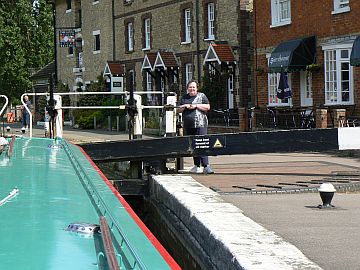
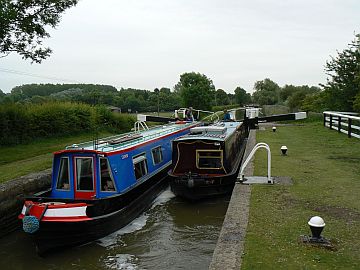
On wide locks, it saves water if two boats transit together. There are also more people to work the lock, saving energy!
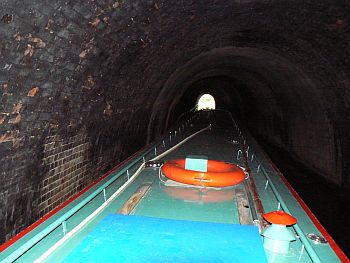
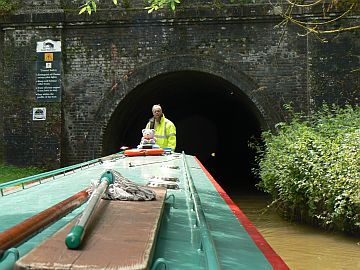
This tunnel has a "wiggle". Problems with quicksand and slight errors in direction during construction meant that the two ends did not meet in the middle.

Many of the working-boat fraternity were buried in Braunston Churchyard.
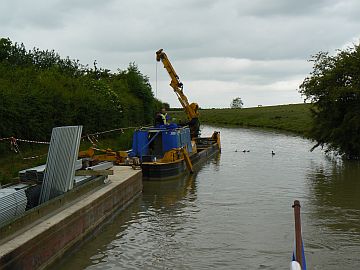
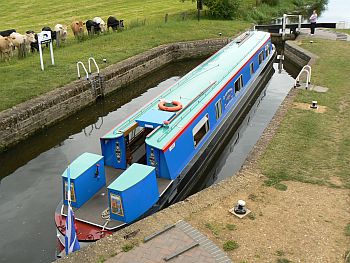
There are two 'weir' locks on this section of the canal, both with this odd shape. This was done to increase the volume of water passed from the river to the canal each time the lock was used.
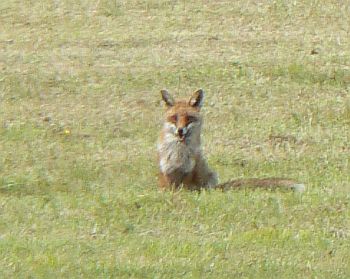
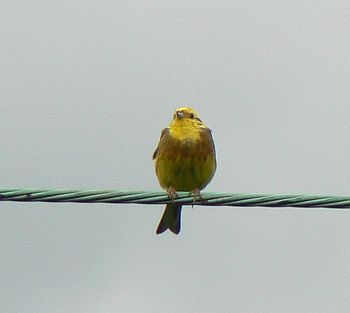
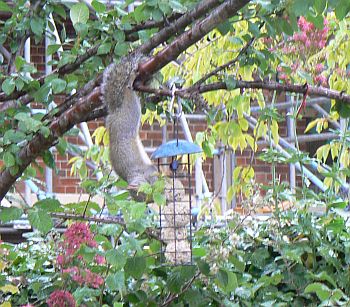
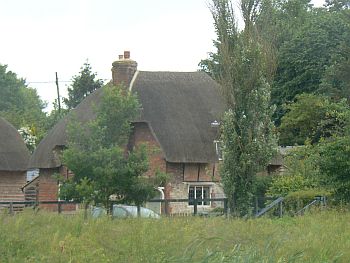
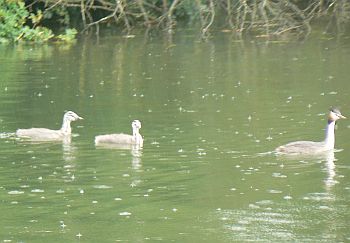
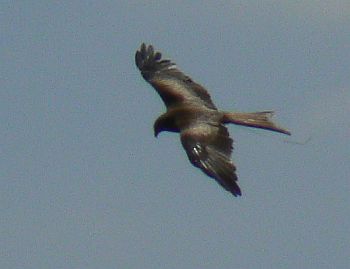
There is a large number of Red Kites around the Reading section of the Thames
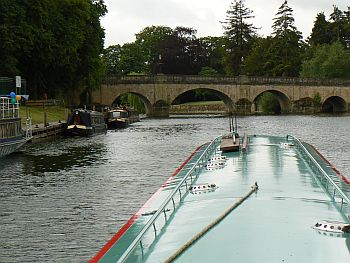
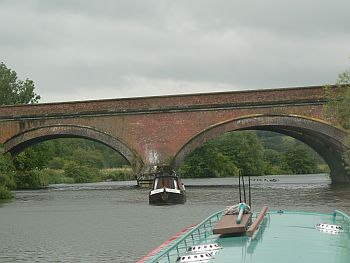
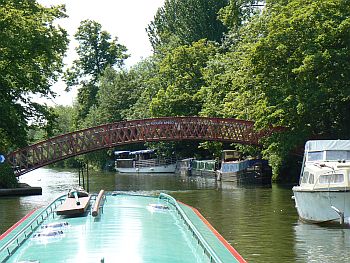
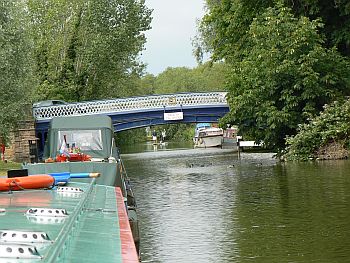
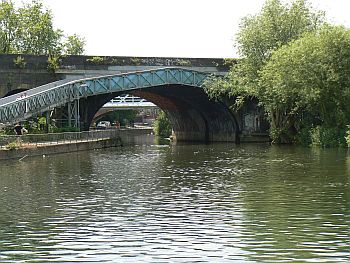
This bridge, along with several others across the Thames, is a "skewed brick" bridge (the bricks are laid on an angle to compensate for the angle at which the bridge crosses the river), making it more decorative (typical of the GWR).
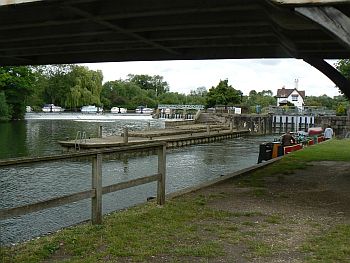
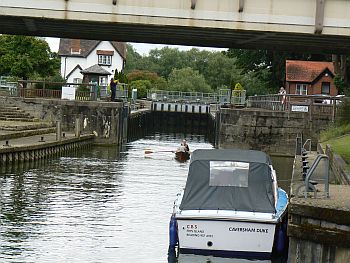
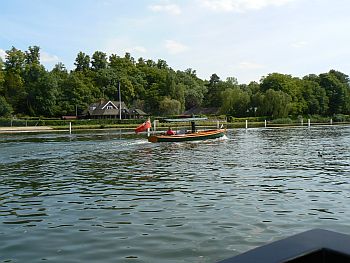
The whole lock was dropped for this small boat to take passage. It reminded me of the sort of boat Ratty may have used in "Wind in the Willows"
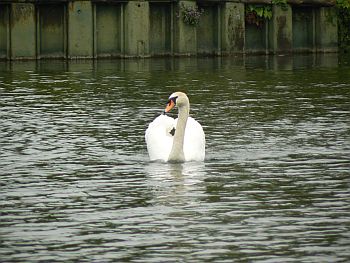
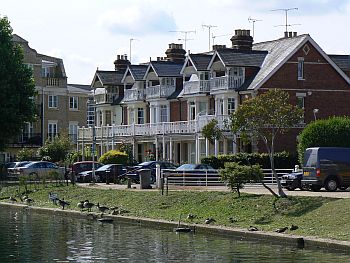
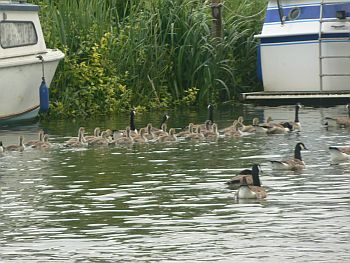
One of the many "rafts" of Canada geese seen this trip. Young are kept in crèches, watched over by all the mothers.
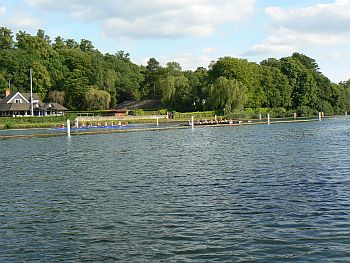
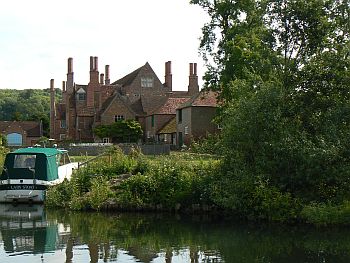
This photo was taken from our mooring halfway along the course!
Mooring overnight cost us £6.00, during the regatta it would cost £50.00 per foot
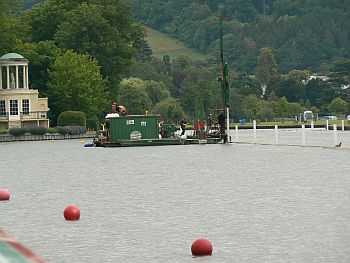
The course for this year's Regatta was being prepared as we passed. Large numbers of all kinds of rowing boats and sculls were out practicing from dawn till dusk
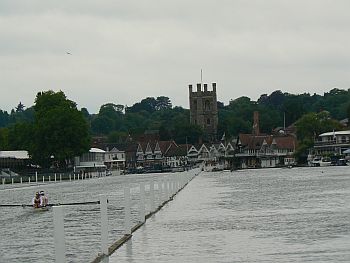
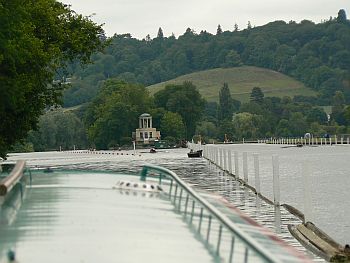
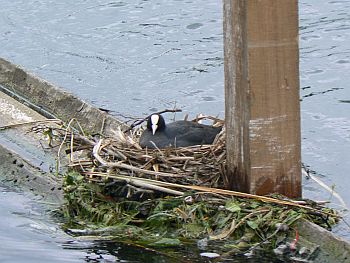
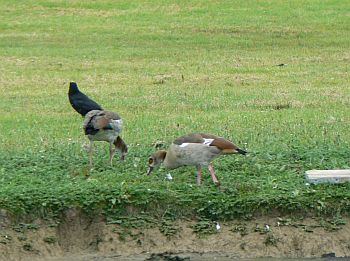
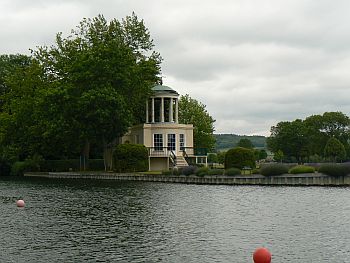

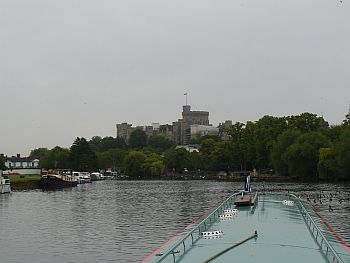
Established by William the Conquerer in the 1070's, the present building was constructed by Henry II (1170's) and is still in use as a principal Royal Palace today.
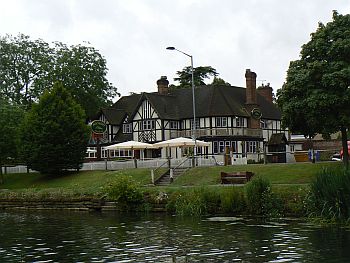
A pub has stood on this spot for over 800 years (that's an aweful lot of beer!)
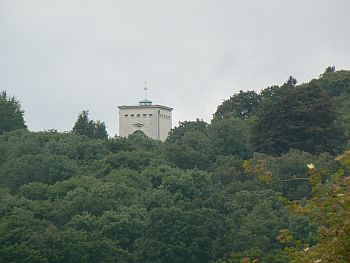
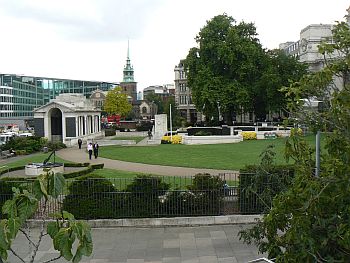
This is all one can see from the river, but is the top of the memorial to the Flying Services of Britain and the Commonwealth during WW2
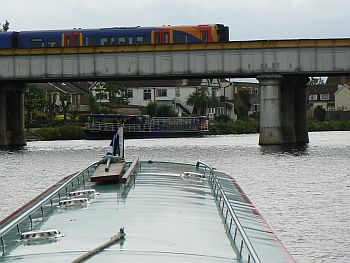
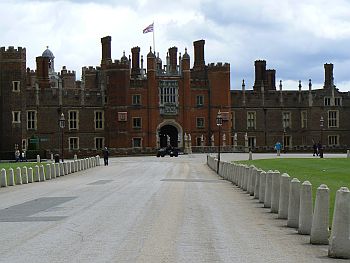
This was built for Cardinal Wolsey, but later was "annexed" by Henry VIII when Wolsey failed to permit his divorce.
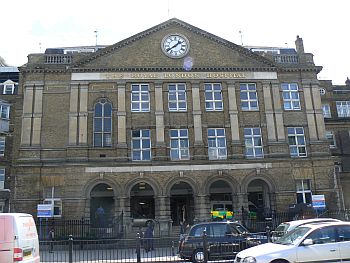
Featured in the BBC series "Casualty 1906" (and the sequels for '07 and '09), "The London" was founded in 1740 as a voluntary hospital. It was to the forefront in the founding of new techniques such as X-ray, bacteriology, anaesthetics and surgery. The chairman of the board during the early 1900's championed the cause of treatment for all, becoming known as "Prince of Beggars" and eventually became Viscount Knutsford. King Edward VII would not have been crowned if surgeons at The London had not operated on his appendicitis (most patients died at that time). The initial diagnosis of mental stress disorders such as shell-shock came from work done by one of the doctors.
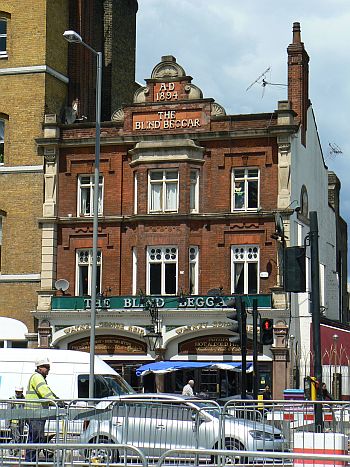
The pub was featured in the BBC series "Casualty 1907", but was also later frequented by the famous Kray twins.
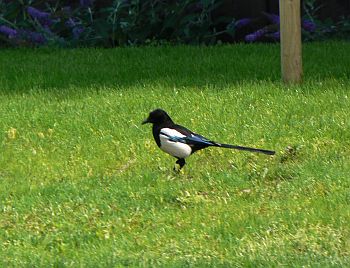
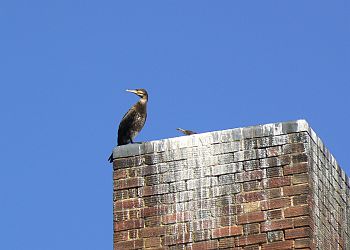
Fish stocks in the canal system must be good considering the number of cormorants seen this far inland.
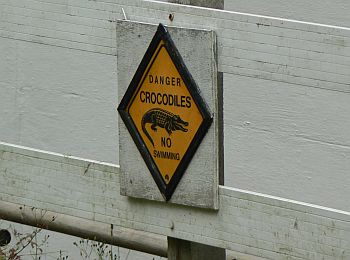
This sign was noted at the side of one of the locks. Lock-keeper obviously has a sense of humour (or some weird pets!!)
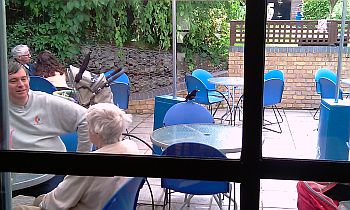
The resident blackbirds at 'Bluebells' tearoom have realised there are rich pickings of leftovers on the tables. They sit on chairbacks and neighbouring tables waiting for you to leave before tucking in!


